The boundary of the first version
What must work at launch.
Quantum Byte Systems designs software, AI assistants and automation around real business processes — with clear logic, controlled data and room to grow.
Before choosing a technology, we define what happens now.
How the project approach worksWhat must work at launch.
Which information is trusted.
We agree how the result will be checked.
The early work is about reducing uncertainty: process, boundaries, responsibility and the first useful release.
Process, users, data, constraints and the result that should improve.
Roles, states, integrations, exceptions and the source of truth.
Working slices are easier to test, discuss and correct than one large reveal.
The system should remain understandable when processes, people or integrations change.
Each direction solves a different type of problem and has its own first-version scope and starting price. If the choice is not obvious, Quantum Navigator can help compare the options.

A website or messaging assistant that uses approved FAQs, pages and documents, and hands the conversation to a person when the answer is not available.

Forms, APIs, files, notifications and business rules are connected into one traceable flow so information no longer has to be copied by hand.

Roles, records, workflows, dashboards and reports are designed around the operating model instead of forcing the team into a generic product.

Focused views, thresholds, alerts and AI-assisted summaries help teams see what changed, why it matters and where attention is needed.
Here we show several system options that can serve as a starting point for your project. Choose the one closest to your task — we adapt the functionality, structure and interface to the real processes of your company.
Open portfolio
For companies that want answers, source matching and a clear human handoff in one interface.
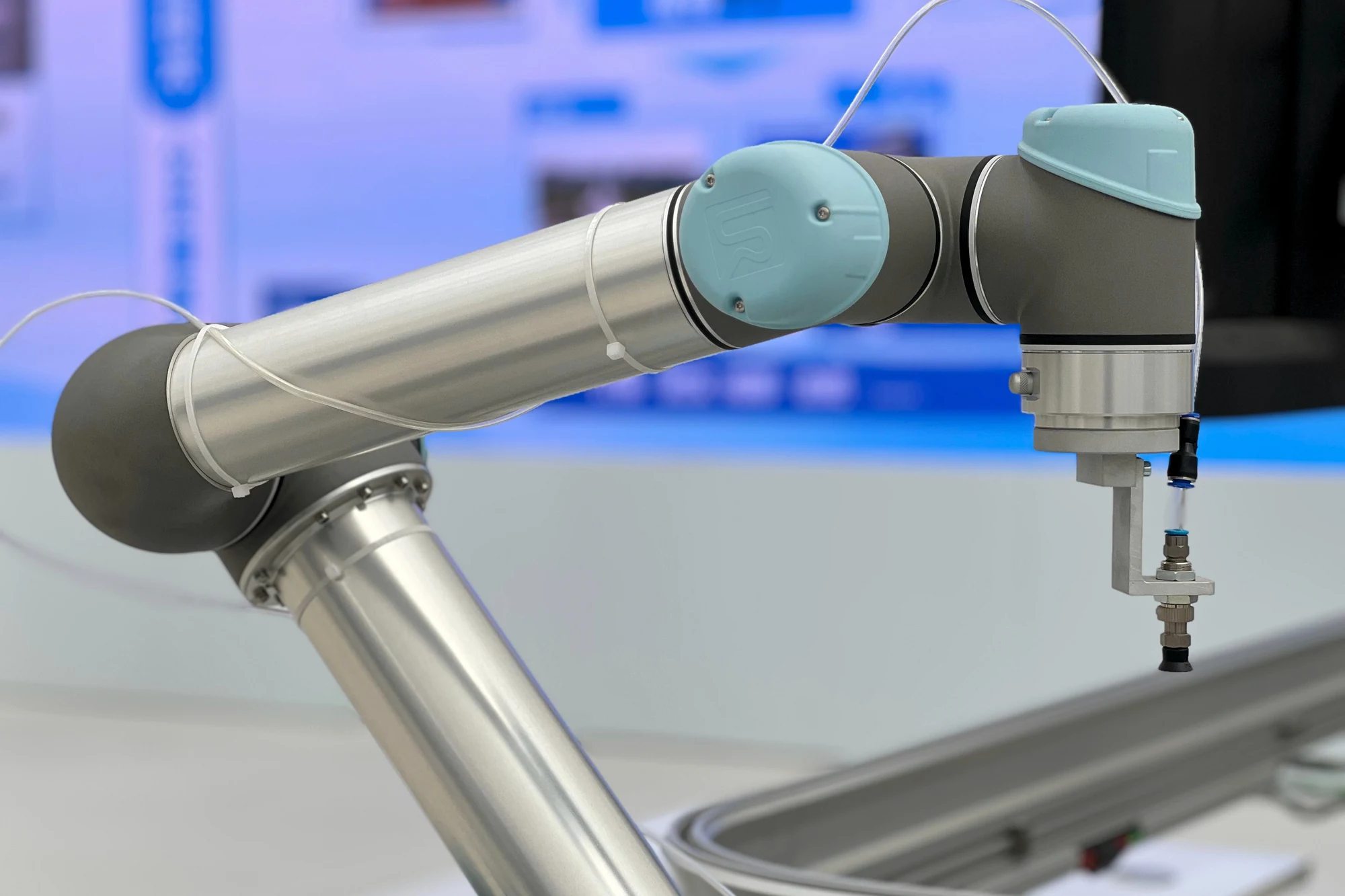
For processes where requests move through several people, statuses and notifications and need one traceable route.

For teams that need one customer record but different views for sales, delivery and management.
Practical answers about fit, scope, integrations, data and the first release.
First compare the process with existing products. Custom development makes sense when the operating model, roles, integrations or data rules create requirements that standard software cannot cover without critical compromises.
A current-process description, the people involved, source systems, desired result and the constraints that cannot change. A finished technical specification is not required.
Usually yes, if the existing system exposes a usable API, export/import mechanism or another supported integration point. The reliability and limitations of each external system are checked before the scope is confirmed.
Access should be limited to what is necessary for the agreed task. Roles, sensitive data, credentials and production access are identified early so the implementation can be designed around appropriate permissions and separation.
The first release is checked against the agreed result, real usage reveals missing cases, and the next priorities are chosen from observed needs rather than an abstract feature backlog.

If the task needs a closer look, send a short description of the process and the result you want. The confirmation appears here without taking you away from the page.